Mastering the 3d Perspective Yellow Wall Logo Mockup for Professional Brand Presentations
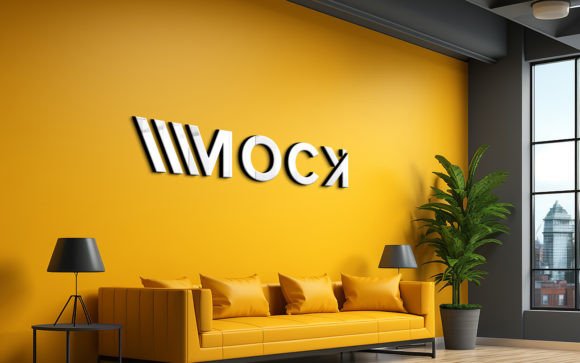
Visual presentation is often the deciding factor in whether a client approves a design or scrolls past it. When you are showcasing a brand identity, context matters immensely. A flat logo on a white background rarely conveys the tactile reality of how that mark will exist in the physical world. This is where a 3d Perspective Yellow Wall Logo Mockup becomes an indispensable tool in your creative arsenal. It bridges the gap between digital creation and physical application, offering a vibrant, high-contrast backdrop that makes your design pop while maintaining photorealistic integrity.
However, many designers, marketers, and small business owners stumble not because their designs are weak, but because they misuse the tools meant to showcase them. Understanding the nuances of this specific mockup type can save you hours of frustration and significantly elevate the perceived value of your work. Let’s explore how to leverage this resource effectively while avoiding common pitfalls that undermine professional presentation.
Understanding the Power of Context and Color
The choice of a yellow wall is not arbitrary. In color psychology and visual marketing, yellow commands attention. It suggests energy, optimism, and clarity. When you place your logo against such a bold background, you are making a statement. However, this high-visibility environment requires careful handling. A common mistake is assuming that any logo will look good on any bright background. If your logo lacks sufficient contrast or uses colors that clash with the warm tones of the yellow wall, the result can be visually jarring rather than appealing.
Before you begin editing, evaluate your design’s color palette. Does it harmonize with the warm undertones of the mockup? If your logo is primarily light yellow or pale pastel, it may get lost. In such cases, consider adding a subtle drop shadow or outline within your design file before placing it into the smart object. This proactive step ensures legibility and maintains the professional polish that clients expect.
The Smart Object Misconception
One of the most significant advantages of this pack is the Smart Object Replacement feature. It allows you to add your own logo, design, or text simply via smart object, with the software automatically applying the correct shadows and lighting to make it look real. Yet, a frequent error among beginners is neglecting to check the resolution and format of the image they are importing.
If you drag a low-resolution JPEG into the smart object, the final render will appear pixelated, regardless of how high-quality the mockup template itself is. The mockup is 300 DPI, meaning it is print-ready quality. To match this standard, always ensure your source files are vector-based (such as AI or EPS) or high-resolution PNGs with transparent backgrounds. This preserves the crisp edges of your typography and icons, ensuring that the automatic lighting effects enhance rather than distort your brand mark.
Lighting and Shadow Realism
The promise of this tool is that your design will automatically have the correct shadows and lighting. This is achieved through complex layer styles and blending modes embedded in the PSD file. However, users often make the mistake of trying to "fix" the lighting manually by adding extra effects on top. This usually breaks the realism.
Trust the template. The creators have meticulously organized the layers in folders to simulate how light hits a textured wall surface. If the shadow looks too harsh or too soft, do not start painting new shadows. Instead, look within the layer groups for adjustment layers or opacity settings that control the intensity of the existing effects. Tweaking these predefined parameters keeps the perspective accurate and the physics believable. Over-editing is the quickest way to turn a photorealistic mockup into something that looks obviously digital and fake.
Organization and Workflow Efficiency
Time is a critical resource for freelancers and agency professionals. This pack includes fully layered and well-organized layers in folders, which is designed to streamline your workflow. A common oversight is failing to utilize this organization. Designers often flatten layers or rename them haphazardly, making future edits difficult.
Adopt a disciplined approach. Keep the folder structure intact. If you need to make multiple variations for a client presentation, duplicate the entire smart object group rather than merging layers. This non-destructive editing method allows you to toggle between different logo versions instantly. It also ensures that if a client requests a change weeks later, you can open the file and locate the exact element without hunting through a chaotic layer stack.
Verifying Quality Before Final Delivery
Before you export your final JPG or present the PSD to a client, there are several checks you should perform. First, zoom in to 100% view. Check the edges of your logo where it meets the wall texture. Are there any halos or unnatural artifacts? These often occur if the smart object was not saved correctly or if the blending mode was accidentally altered.
Second, verify the perspective. The 3d Perspective Yellow Wall Logo Mockup is angled to create depth. Ensure your logo follows this perspective naturally. If you are inserting text, make sure it aligns with the vanishing point of the wall. Misaligned text breaks the illusion of depth and can make the entire composition feel off-balance.
Finally, consider the output format. The pack includes one PSD and one JPG. While the JPG is useful for quick previews, always deliver the high-resolution PSD if the client intends to use the image for large-format printing or further customization. Providing the editable file demonstrates professionalism and adds value to your service.
Making the Right Choice for Your Brand
When evaluating whether this specific mockup is right for your project, consider your brand’s personality. Is it bold and energetic? The yellow wall supports this narrative. Is it subdued and corporate? You might need a more neutral background. Using a vibrant mockup for a conservative brand can send mixed messages. Always align the visual tone of the mockup with the strategic goals of the brand identity you are presenting.
Moreover, remember that ease of use does not equate to lack of skill requirement. While no advanced Photoshop skills are needed to replace the logo, an eye for detail is essential. Pay attention to the spacing, the scale of the logo relative to the wall, and the overall composition. A well-placed logo on a realistic wall tells a story of quality and attention to detail.
In conclusion, the 3d Perspective Yellow Wall Logo Mockup is a powerful asset for anyone looking to elevate their design presentations. By avoiding common mistakes such as using low-res assets, over-editing lighting effects, and ignoring color harmony, you can maximize the impact of your work. Use the smart objects as intended, respect the layer organization, and always prioritize realism. When used correctly, this tool does more than just display a logo; it sells the vision behind it.