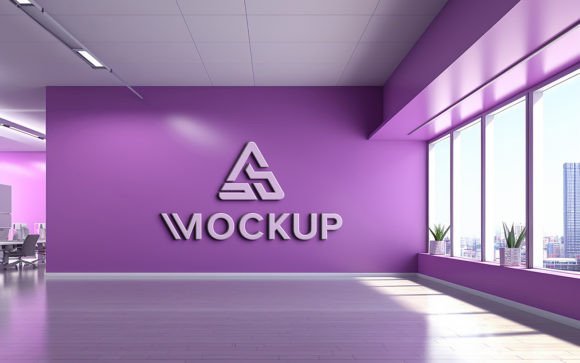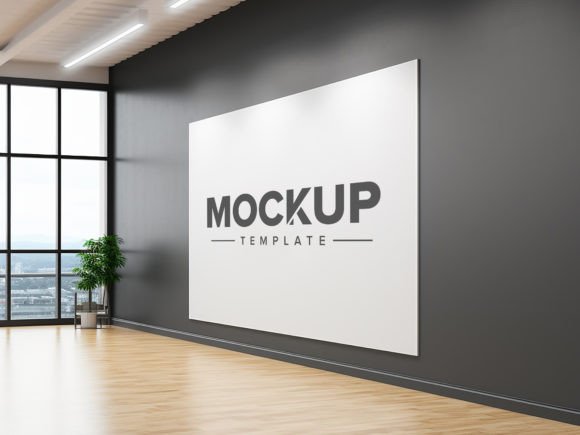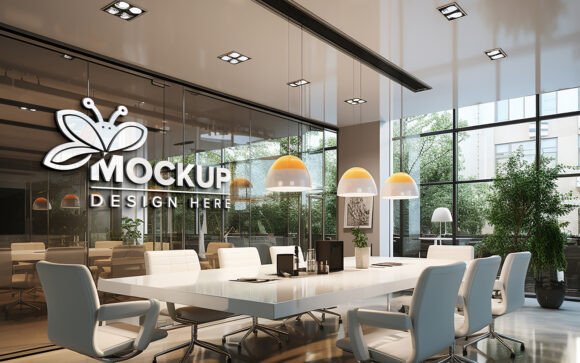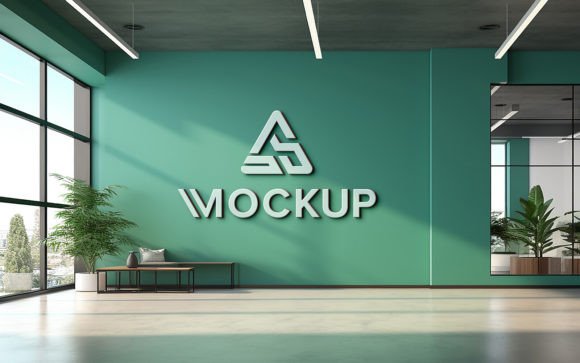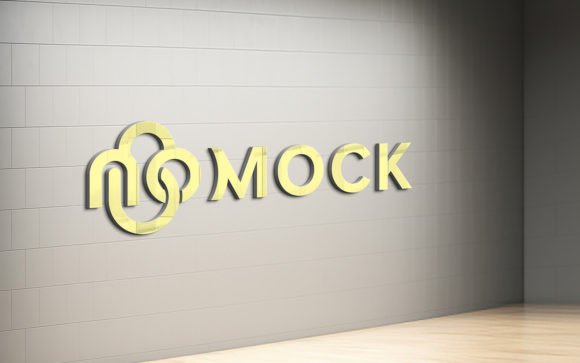
3D Logo Mockup on Gray Wall
Presentation is often the difference between a design that gets approved and one that gets ignored. When you spend hours refining curves, adjusting kerning, and perfecting color palettes for a logo design, showing it as a flat vector file rarely does it justice. Clients and stakeholders need context. They need to see how that mark lives in the real world. This is where a high-quality 3d Logo Mockup on Gray Wall Background becomes an indispensable tool in your creative arsenal. It bridges the gap between abstract concept and tangible reality, offering a neutral yet sophisticated stage for your brand identity to shine.
The appeal of this specific mockup lies in its understated elegance. The gray wall background is not just a placeholder; it is a deliberate design choice. Gray is neutral, modern, and non-distracting, allowing the colors and shapes of your logo to take center stage without competing with a busy environment. The 3D aspect adds depth, introducing realistic shadows and lighting that mimic natural conditions. This creates a sense of physical presence, making the logo feel like it has been painted, mounted, or embossed onto the surface. For designers, marketers, and small business owners, this level of realism builds trust. It suggests that the brand is established, professional, and ready for the market.
Enhancing Brand Perception Through Realistic Context
Visual hierarchy and brand perception are deeply influenced by how a design is presented. A flat JPEG on a white background can feel sterile and unfinished. In contrast, a 3d Logo Mockup on Gray Wall Background provides immediate visual weight. The interplay of light and shadow helps define the contours of your logo, giving it volume and texture. This subtle cue tells the viewer’s brain that the object is real, which psychologically translates to reliability and quality.
For entrepreneurs and content creators, this distinction is crucial when pitching to investors or launching on social media. In the crowded feed of Instagram or LinkedIn, a post featuring a realistic 3D render stops the scroll far more effectively than a standard digital file. It elevates the perceived value of the work. Whether you are showcasing a new brand identity for a tech startup or a rebrand for a local café, the mockup ensures that the focus remains on the craftsmanship of the logo while providing enough environmental context to make it feel authentic.
Moreover, consistency in presentation matters. If you are building a portfolio or a case study, using a cohesive set of mockups helps tie disparate projects together. The gray wall serves as a consistent canvas, allowing viewers to compare different designs without the distraction of varying backgrounds. This professionalism reflects well on the designer or agency, signaling attention to detail and a commitment to high standards.
Versatility Across Creative and Commercial Projects
One of the greatest strengths of this asset is its versatility. While it is explicitly designed for logos, its application extends far beyond simple brand marks. Because the background is neutral and the lighting is balanced, it works seamlessly across various industries and design styles. It is equally effective for minimalist modern typography as it is for intricate illustrative logos.
- Corporate Branding: Ideal for presenting clean, sans serif logos for finance, tech, or consulting firms where professionalism is paramount.
- Creative Agencies: Perfect for showcasing bold, colorful identities that pop against the muted gray tone.
- Editorial Design: Useful for mocking up magazine mastheads or book cover titles that require a tactile, printed look.
- Packaging Design: Can be adapted to show how a brand mark might appear on store signage or interior wall decor.
- Social Media Graphics: Provides a high-end aesthetic for promotional posts, announcements, or client testimonials.
The mockup’s adaptability also makes it a valuable resource for non-designers. Small business owners who manage their own marketing can use it to create polished visuals for their websites or pitch decks without needing advanced Photoshop skills. The key is that the environment does not impose a specific style—it supports whatever style you bring to it. Whether your logo is a delicate script font or a bold display font, the gray wall provides a respectful backdrop that enhances rather than overwhelms.
Simplifying Workflow with Smart Object Technology
For many creatives, time is the most scarce resource. Traditional 3D rendering requires specialized software, lighting knowledge, and significant processing power. This 3d Logo Mockup on Gray Wall Background eliminates those barriers through the use of Smart Objects in Photoshop. This feature is a game-changer for efficiency, allowing you to achieve photorealistic results in minutes rather than hours.
The process is straightforward and requires no technical expertise. You simply open the PSD file, locate the Smart Object layer, and double-click it. This opens a new window where you can paste your logo, design, or text. Once you save and close that window, the main document automatically updates. The mockup handles all the complex calculations for perspective, distortion, shadows, and lighting. Your design wraps around the 3D form naturally, maintaining the correct proportions and visual integrity.
This ease of use encourages experimentation. You can test multiple color variations, logo iterations, or even different typefaces quickly to see which performs best in a realistic setting. For agencies working with tight deadlines, this speed is invaluable. It allows for rapid prototyping and client feedback loops without getting bogged down in technical rendering issues. The file is fully layered and well-organized, meaning you can also tweak ambient light or shadow intensity if you need a slightly different mood, though the default settings are optimized for a natural look.
Practical Tips for Maximizing Impact
To get the most out of this design asset, consider a few practical guidelines. First, ensure your source logo is high-resolution. Since the mockup is 300 DPI, using a low-res image will result in pixelation that breaks the illusion of realism. Vector files converted to high-resolution PNGs with transparent backgrounds work best.
Second, pay attention to contrast. While the gray wall is neutral, it has a specific tonal range. If your logo is dark gray, it may blend in too much. In such cases, consider adding a subtle drop shadow or outline in your source file before placing it into the Smart Object, or adjust the brightness of the logo slightly to ensure it stands out. Conversely, very bright neon colors may look unnatural against a matte wall; tweaking saturation can help integrate the design more believably.
Finally, think about the narrative. Where would this logo actually exist? If it’s for an outdoor sign, the natural lighting in the mockup is perfect. If it’s for an indoor office plaque, you might want to soften the shadows slightly to mimic diffused indoor lighting. These small adjustments can make the difference between a good mockup and a great one.
In conclusion, a 3d Logo Mockup on Gray Wall Background is more than just a template; it is a strategic tool for communication. It enhances readability, strengthens brand perception, and streamlines the presentation process. By leveraging this resource, designers and business owners can present their work with the confidence and polish it deserves, ensuring that their creative vision is understood and appreciated in its best possible light.