Understanding the Value and Application of 3D Flower Tumbler Wrap Sublimation PNG Files
In the rapidly evolving world of custom drinkware, the demand for high-quality, visually striking designs has never been higher. Among the most sought-after resources for crafters and small business owners are digital assets that offer both aesthetic appeal and technical precision. The 3D Flower Tumbler Wrap Sublimation PNG represents a specific category of design files that bridge the gap between artistic expression and manufacturing practicality. Unlike standard flat graphics, these files are engineered to create an illusion of depth and texture, transforming a simple stainless steel tumbler into a piece of art that appears to have raised, tactile elements.
For those navigating the sublimation market, understanding what distinguishes a 3D-effect digital file from a standard print is crucial. This guide explores the technical specifications, practical applications, and comparative advantages of using specialized wrap files, helping you determine if this format aligns with your production goals and customer expectations.
Defining the 3D Effect in Digital Sublimation
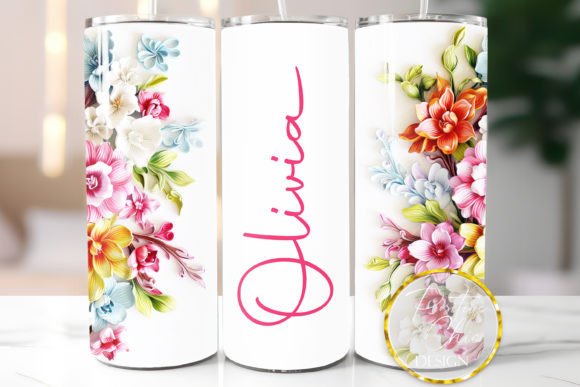
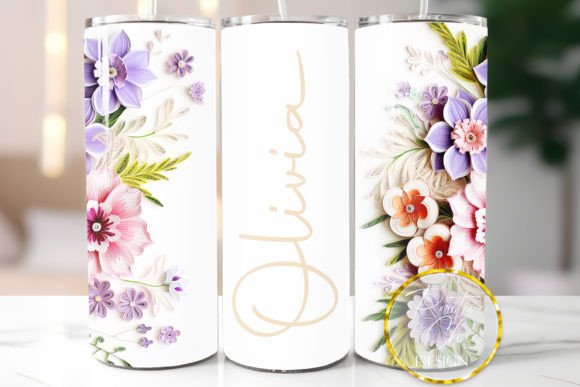
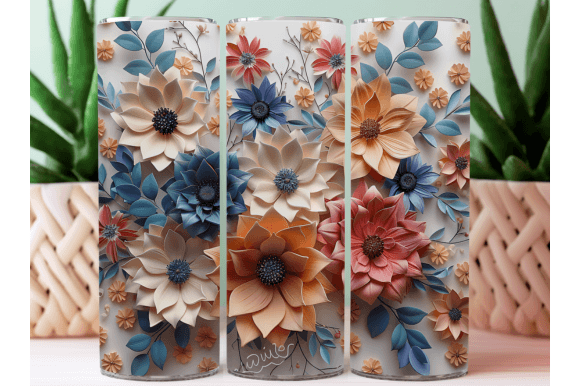
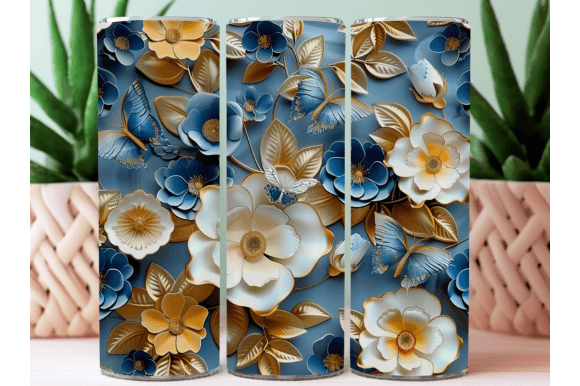
It is important to clarify that a "3D" sublimation PNG does not physically raise the ink off the surface of the tumbler. Sublimation is a process where heat turns solid dye into gas, which then bonds with polymer-coated surfaces. The result is always smooth to the touch. The term "3D" in this context refers to the visual technique used in the graphic design. Artists utilize shading, highlights, shadows, and layering to trick the eye into perceiving depth. When applied correctly, a 3D Flower Tumbler Wrap Sublimation PNG can make floral petals look as though they are lifting off the metal, adding a sophisticated dimension that flat vector art often lacks.
This visual depth is particularly effective for botanical themes. Flowers naturally possess complex structures with overlapping petals and varying light exposure. A well-designed 3D PNG captures these nuances, offering a realistic representation that resonates with consumers looking for premium, boutique-style products. The key lies in the resolution and the transparency of the background, ensuring that the design integrates seamlessly with the tumbler’s base color without unwanted white boxes or pixelation.
Technical Specifications: Straight vs. Tapered Formats
One of the most critical decision points when purchasing digital wraps is understanding the geometry of the target product. Not all tumblers are created equal, and using the wrong file type can lead to distorted images or poor alignment. High-quality listings, such as those provided by designers like Misba Design, typically include two distinct file types to accommodate different hardware:
- Straight PNG File: Designed for cylindrical tumblers with consistent diameter from top to bottom. These are common in 20oz and 30oz straight-wall models. The design repeats or fits perfectly around a uniform circumference.
- Tapered PNG File: Engineered for tumblers that are wider at the top and narrower at the bottom, such as the popular 20oz skinny tumblers. These files require geometric distortion in the digital stage so that when wrapped around the cone shape, the image appears proportionate to the human eye.
The inclusion of both formats in a single package adds significant value. It allows creators to diversify their inventory without purchasing separate designs for each tumbler style. The standard print size of 9.3″ x 8.2″ at 300 DPI ensures that the image remains crisp and clear even when stretched over the curved surface. Lower resolution files may appear blurry or pixelated, especially on larger tumblers, which can detract from the perceived quality of the final product.
Comparing Digital Downloads to Physical Goods
When evaluating options for expanding a crafting business, it is essential to distinguish between buying physical pre-printed wraps and purchasing digital files like the 3D Flower Tumbler Wrap Sublimation PNG. Each approach has distinct tradeoffs regarding cost, control, and scalability.
Physical Pre-Printed Wraps: These are ready-to-apply adhesive sheets. The primary advantage is convenience; there is no need for a printer, sublimation paper, or ink. However, they offer limited customization. You cannot change the background color to match seasonal trends, and you are locked into the designer’s chosen palette. Additionally, shipping costs and inventory storage become logistical burdens.
Digital Sublimation Files: Purchasing a digital file requires an initial investment in equipment (printer, heat press, sublimation ink) but offers unparalleled flexibility. With a single 3D Flower Tumbler Wrap Sublimation PNG, you can produce dozens of variations. You might choose to print the same floral design on a pink tumbler for Valentine’s Day and on a navy blue tumbler for a corporate gift. The ability to control the base color allows for better margin management and trend responsiveness. Furthermore, since no physical item is shipped, access to the design is immediate, eliminating wait times associated with postal delivery.
Evaluating Color Accuracy and Screen Variance
A common concern among new sublimators is color fidelity. It is vital to note that colors shown on digital screens may vary slightly due to differences in monitor calibration, brightness settings, and operating systems. A vibrant red on a MacBook display may appear darker on a Windows desktop. This variance is not a flaw in the 3D Flower Tumbler Wrap Sublimation PNG itself but a characteristic of digital color spaces (RGB) versus print output (CMYK or sublimation profiles).
To mitigate this, experienced crafters perform test prints. Sublimation ink often prints darker on paper than it appears after heat transfer. Understanding this shift allows for adjustments in printer settings or soft-proofing techniques. Designers who provide high-quality 300 DPI files ensure that the data is there for accurate reproduction, but the final outcome will always depend on the user’s specific printer profile, paper type, and heat press temperature. Open communication with designers, as encouraged by providers like Misba Design, can help clarify expectations regarding color tones before large-scale production begins.
Best-Fit Scenarios for Using 3D Floral Wraps
Not every project benefits from a complex 3D design. Understanding when to deploy these assets can optimize both time and material usage.
- Premium Product Lines: If you are targeting customers willing to pay a higher price point for unique, artisanal-looking goods, 3D effects add perceived value. The intricate shading suggests a level of detail that justifies a premium tag.
- Gift Markets: Floral designs are universally appealing for birthdays, Mother’s Day, and weddings. The soft, realistic nature of 3D flowers appeals to a broad demographic, making them safe yet stylish choices for gift-givers.
- Brand Differentiation: In a saturated market filled with simple text-based or flat clip-art tumblers, a 3D wrap helps your products stand out on social media platforms like Instagram and TikTok, where visual depth captures attention more effectively than flat images.
Conversely, if you are producing bulk orders for corporate events where logo clarity is paramount, a busy 3D floral background might distract from the brand message. In such cases, simpler, high-contrast designs may be more appropriate. Similarly, if you are using older printing equipment that struggles with fine gradient details, the subtle shadows of a 3D design might band or lose definition, requiring a test run to ensure quality.
Making an Informed Decision
Choosing the right design resource involves balancing aesthetic desires with technical capabilities. The 3D Flower Tumbler Wrap Sublimation PNG offers a compelling blend of beauty and functionality for those equipped to handle sublimation printing. By providing both straight and tapered options at high resolution, these files reduce the technical barrier to entry for creating professional-grade drinkware.
Before purchasing, assess your current equipment capabilities and target audience. If you have a reliable sublimation setup and seek to elevate your product offerings with visually rich, versatile designs, investing in high-quality digital wraps is a strategic move. Remember that while the file provides the blueprint, your execution—through proper heat pressing, color management, and material selection—will ultimately determine the success of the final product. Always review the seller’s terms, noting that these are digital assets only, and leverage available support channels to address any specific technical questions regarding file usage or compatibility.